Introduction
When it comes to building or renovating a home, one of the most critical decisions revolves around window materials. The choices we make can significantly influence energy efficiency, aesthetics, and overall comfort. But have you ever considered how climate plays a pivotal role in these decisions? This article delves into “How Climate Impacts Choices When Selecting Window Materials,” exploring various factors such as temperature extremes, humidity levels, and UV radiation, all while highlighting options like Aluminium Windows in London and Durajoin Aluminium Windows and Doors.
How Climate Impacts Choices When Selecting Window Materials
Climate is more Aluminium Windows in London than just a backdrop to our lives; it's a dynamic force that shapes our environments and influences our choices. Different regions exhibit varying climatic conditions—some experience severe winters, others face scorching summers, and many endure high humidity or intense UV exposure. These factors necessitate specific window materials that not only withstand the elements but also enhance energy efficiency and comfort.
Understanding Local Climates
Understanding your local climate is the first step in selecting appropriate window materials. For instance:
- Cold Climates: In areas where winter temperatures plummet, insulation becomes paramount. Double or triple-glazed windows are ideal for retaining heat. Hot Climates: Conversely, regions with high temperatures benefit from materials that reflect heat and reduce cooling costs. Humid Climates: Here, moisture resistance is crucial to prevent mold and rot.
The Role of Insulation in Different Climates
Insulation properties vary widely among window materials. Let’s explore how different climates dictate insulation needs:
- Aluminium Windows in London: Often lauded for their strength and durability, they also offer excellent thermal performance when combined with thermal breaks. This makes them suitable for various climates, especially in urban settings where temperature fluctuations are common. Wooden Windows: While they provide great insulation, they can warp or rot in humid conditions unless properly treated. Vinyl Windows: Known for their energy efficiency, vinyl windows can be an excellent choice across different climates due to their resistance to moisture.
Energy Efficiency Considerations
Energy efficiency isn't merely a buzzword; it’s essential for reducing utility bills and minimizing environmental impact:
- In colder climates, look for windows with low U-values (which measure thermal transmittance) to keep warmth inside. For hot areas, solar heat gain coefficients (SHGC) should guide your choice; lower SHGCs are preferable to limit heat entering your home.
Impact of UV Radiation on Window Selection
UV radiation can degrade window materials over time:
- In regions with intense sunlight, consider window films or coatings that block UV rays while still allowing natural light. Aluminium Windows in London often come with special coatings designed to resist UV damage while maintaining aesthetic appeal.
Aesthetic Choices vs. Functional Needs
While functionality is crucial when selecting window materials based on climate considerations, aesthetics shouldn't be overlooked:
- Many homeowners desire windows that complement the architectural style of their homes. For example, aluminium frames can offer sleek modern designs without compromising on performance.
Long-Term Durability Based on Climate
Durability varies significantly depending on climate conditions:
Material Durability
| Material | Cold Climate | Hot Climate | Humid Climate | |---------------|--------------|-------------|---------------| | Aluminium | Excellent | Excellent | Good | | Wood | Fair | Good | Poor | | Vinyl | Good | Excellent | Excellent |
Choosing resilient materials ensures longevity and reduces replacement costs over time.
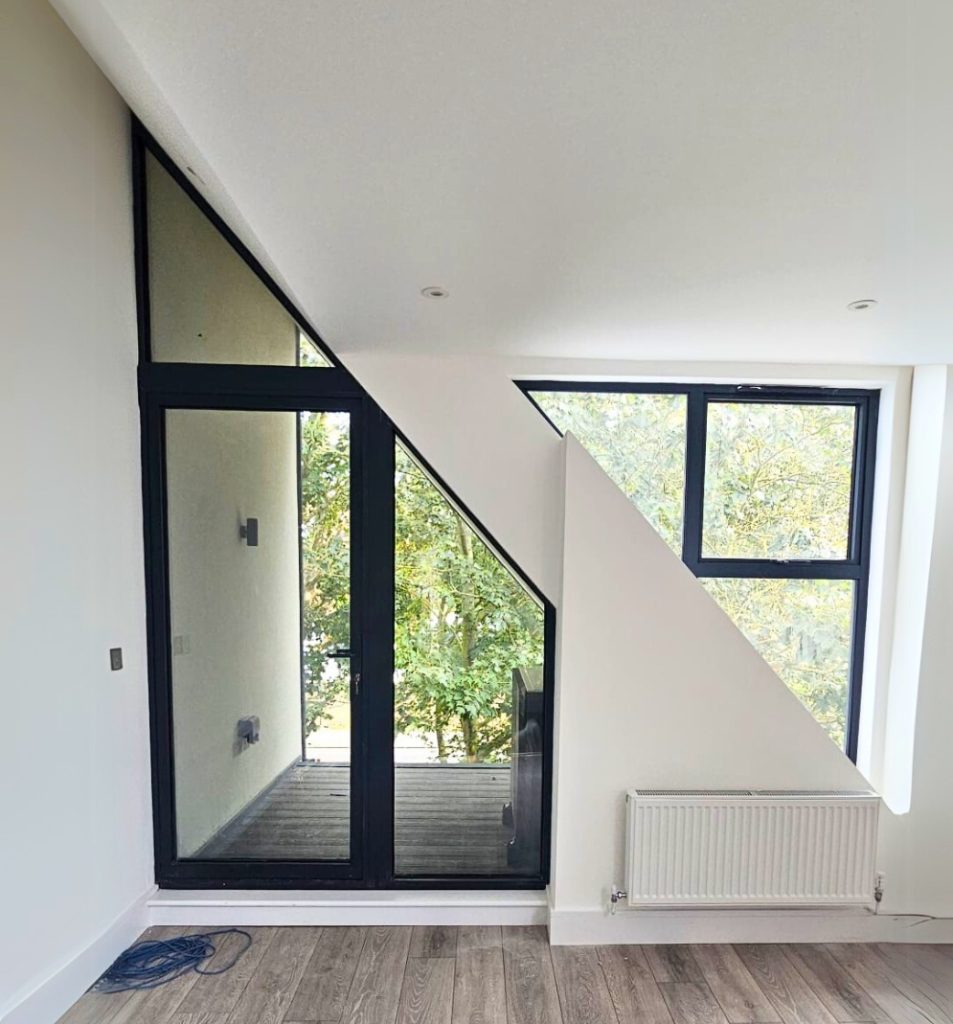
Selecting the Right Frame Material Based on Climate
Aluminium vs. Wood vs. Vinyl: A Comparative Analysis
Aluminium Windows
Aluminium is known for its strength and lightweight properties.
- Pros: Durable Low maintenance Provides modern aesthetics Cons: Poor insulator unless thermally broken
Wooden Frames
Wood adds warmth and character but requires more upkeep.
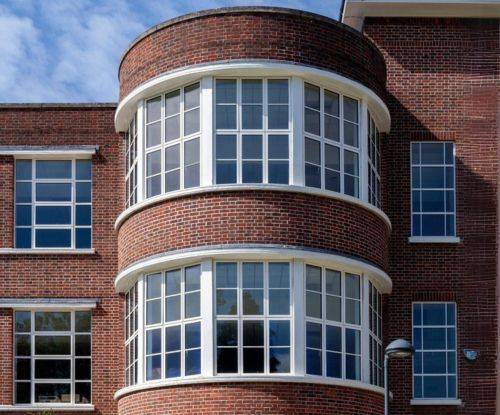
- Pros: Excellent insulator Environmentally friendly options available Cons: Prone to warping or rotting in humid climates
Vinyl Frames
Vinyl has become increasingly popular in recent years due to its energy-efficient properties.
- Pros: Low maintenance Energy-efficient Cons: Limited color options compared to aluminium
The Importance of Thermal Break Technology
The introduction of thermal break technology has revolutionized aluminium windows by adding insulation between the interior and exterior surfaces. This innovation minimizes heat transfer—a critical feature for those living in extreme climates.
Future Trends Influenced by Climate Change
As climate change continues to alter weather patterns globally, future trends in window material selection will likely shift:
Increased demand for sustainable materials. Enhanced emphasis on energy-efficient technologies. Greater integration of smart technologies within window systems.
Frequently Asked Questions (FAQs)
1. What are the best windows for cold climates?
For cold climates, double or triple-glazed windows with low U-values are ideal as they provide superior insulation against cold temperatures.
2. How do I choose between aluminium and wood windows?
Consider factors such as maintenance needs, aesthetic preferences, climatic conditions, and budget constraints when choosing between aluminium and wood windows.
3. Are vinyl windows suitable for hot climates?
Yes! Vinyl windows perform well under high temperatures due to their superior insulating properties and resistance to fading from UV rays.
4. What features should I look for in hurricane-prone areas?
Look for impact-resistant glass along with strong framing materials like aluminum that can withstand high winds and flying debris during storms.
5. How does humidity affect wooden windows?
High humidity can cause wooden frames to swell or rot if not properly treated or maintained over time; hence less frequent choice in damp environments!
6. Why should I consider Durajoin Aluminium Windows?
Durajoin Aluminium Windows combine strength with energy efficiency—ideal for varied climates while enhancing visual appeal!
Conclusion
In summary, understanding “How Climate Impacts Choices When Selecting Window Materials” is vital for achieving a comfortable living environment while ensuring energy efficiency and durability. Factors like local climate conditions dictate the suitability of various window materials—from robust aluminium options available like those offered by Durajoin Aluminium Windows and Doors to classic wooden designs—each option presents unique benefits tailored toward specific environmental challenges.
As homeowners increasingly prioritize sustainability alongside functionality due to changing weather patterns influenced by global warming trends—the market will undoubtedly evolve further towards innovative solutions that meet both aesthetic desires alongside practical needs!
So whether you’re contemplating a new build or renovations—remember that your choice of window material isn’t just about looks; it’s about making informed decisions grounded firmly within your local climatic context!